The Rest of the World Report | October 26, 2026 — Evening Edition
The View From Everywhere Else
Weekday morning and evening editions. Saturdays once. Good news on Sundays. All sources listed.
UN RAISES ETHNIC CLEANSING CONCERNS
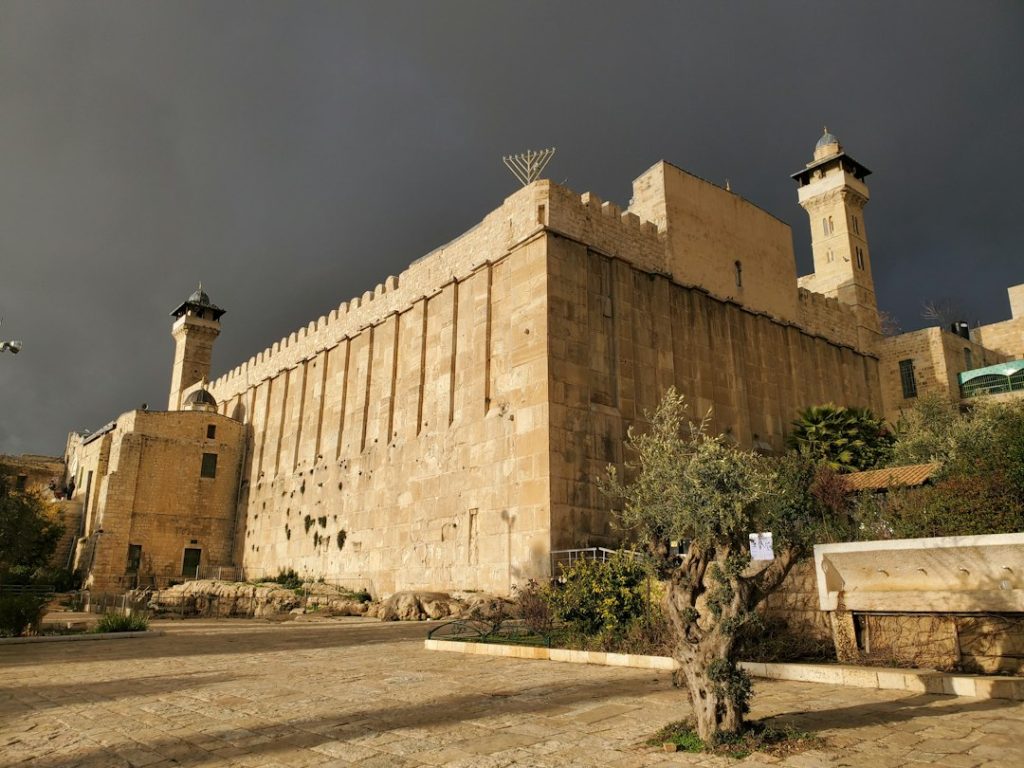
The United Nations human rights chief said on Monday that Israeli threats to “empty and erase entire neighbourhoods” in Hebron raise serious concerns of ethnic cleansing.
Volker Türk said Israel’s operation in the West Bank city, which began Friday, has forcibly displaced more than 2,000 Palestinians. It has demolished homes and commercial property and deprived residents of the ability to move freely. The lockdown confines many people to their homes or immediate neighbourhoods, he said. Declarations by senior Israeli officials indicate the measures are punitive and meant to instil fear. He called collective punishment a grave violation of international law and demanded that displaced residents be allowed home, with compensation and reparation for unlawful evictions and demolitions.
Hebron’s municipality said about 35 hectares have been demolished or marked for demolition, mainly in the Ein Deir Baha and Farsh al-Hawa neighbourhoods. About 200,000 Palestinians live in the city. Another 600,000 live in the wider governorate, the most populous in the West Bank.
On Saturday, Hebron’s mayor put the number forced from their homes at 2,200. Israeli Defense Minister Israel Katz confirmed that about 2,000 people had been displaced. They would not be allowed back, he added, until the army had finished with “all the Hamas issues in Hebron.” The operation began after an attack on Friday, October 23, in which two Israeli soldiers were killed near the city. Israel votes on Tuesday.
🌍 Translator’s Note: Hebron is being read as an election-week operation. Al Jazeera’s West Bank correspondent says Netanyahu’s bloc is behind in the polls and that Israeli politicians are trying to “capitalise” on the attack. The Israeli military says a full closure of West Bank crossings will be enforced on election day itself. Arab News commentary argues the vote offers Palestinians little either way. Netanyahu rejects a Palestinian state, and so does his main rival, Gadi Eisenkot, who has said anyone thinking about a two-state solution after Oct. 7 is “delusional.” The UN’s language lands in the last days of a campaign in which neither bloc offers a different West Bank policy. Whoever wins, the people displaced from Ein Deir Baha and Farsh al-Hawa have no vote in it.
🇺🇸 What American readers need to know: The UN human rights chief said Israel’s operation in Hebron raises concerns of ethnic cleansing. He cited statements by senior Israeli officials that indicate the measures are punitive. On Saturday Israel’s defense minister ruled out the displaced returning until the army finishes its operation.
Sources OHCHR | Arab News | Al Jazeera | Arab News
FRANCE OFFERS STUDENTS MEASURES
France’s government announced a package of school measures on Monday. Student groups welcomed the first steps but called for the protests to continue.
Prime Minister Sébastien Lecornu met high school and student organisations on Monday, after weeks of unrest. Education Minister Édouard Geffray and Higher Education Minister Philippe Baptiste then set out the measures at a press conference.
The admissions platform Parcoursup, which students have criticised since the protests began, is to be reformed in 2027 and replaced in 2028. Parcoursup is the national platform through which secondary school students, apprentices and students changing course apply for the first year of higher education and receive offers from institutions. The change comes in two stages, Baptiste explained, because Parcoursup is anchored in law and some of its parameters cannot change without a new law. The government will create 15,000 additional higher education places and cap first-year high school classes at 28 students within two years. It will add 500 teaching positions and adjust student grants to inflation. It will also offer a €5 billion low-interest loan to renovate educational buildings: €4 billion for secondary schools and €1 billion for universities. According to Geffray, everything announced will be delivered within set timeframes and against measurable targets. A consultation with students and staff unions on continuous assessment and the baccalaureate starts Tuesday.
Student representatives welcomed the first measures but called for continued mobilisation. They want new protests on Saturday, October 31, and again on November 5. Trade unions have set that date for a general strike. Louis Létoublon, vice-president of the high school union Les Lycéens!, called the government afraid. “This fear gives us an opening,” he said. Clément Vieillot, co-founder of the Cachan 94 collective, called the measures “not enough.” Students had asked for 250,000 additional higher education places, he added.
Saturday’s marches drew 410,000 people nationwide by the government’s count. The General Confederation of Labour (CGT), which organised the authorised marches, said it was almost twice as high. Interior Minister Laurent Nuñez reported 267 police officers and gendarmes injured. About 150 protesters were hurt, three of them seriously in Toulouse, Reims and Clermont-Ferrand. The national police oversight body is investigating, he added.
Speaking in Marseille, Macron said public order was being maintained without a state of emergency, though one remains possible if things deteriorate. It is “not normal,” he added, for France to be in such turmoil six months before the election. The Senate begins debating on Tuesday the “make rioters pay” bill, which Lecornu has called absolutely essential. Amnesty International France urged the government to abandon it, saying it “poses a serious threat to the right to protests.”
🇺🇸 What American readers need to know: France’s government offered a school-spending package on Monday after weeks of student protests. It includes replacing the Parcoursup university admissions platform by 2028 and capping first-year high school classes at 28. Student groups welcomed the first steps and urged new protests on October 31 and November 5.
Sources France 24 | Ministry of Higher Education
JORDAN STRIKES SOUTHERN SYRIA
Jordanian fighter jets struck what the military called “terrorist hideouts” in southern Syria late on Monday, three days after the attack on a church funeral in Karak.
Jordan’s armed forces linked those responsible for Friday’s attack at the church in Hamoud to the groups targeted, without naming them. The strikes destroyed several structures and vehicles and killed or wounded members of the groups, the military said. It gave no casualty figures or precise locations.
Khaled Al-Amyan, Daraa’s health director, told Syria’s state news agency that five civilians were killed. He said they included women and children and were caught in strikes on several sites in the province’s countryside. Syrian social media users and a Facebook page called Daraa 24 reported three airstrikes they believed were carried out by Jordanian warplanes in western Daraa province. They also reported two earlier explosions, one of them attributed to an airstrike near the town of Nasib in eastern Daraa.
Earlier on Monday, Jordan’s Public Security Directorate said it had arrested three suspects over the attack, which killed nine people. Public Security Director Major General al-Maaytah named them as the brothers Hazza and Mishal Zeidan Muhammad and their relative Ahmed Sami Hussein, and called Hazza the planner. They were wounded in a dawn raid and shootout at an abandoned house, it said, and are Islamic extremists. Jordan’s interior minister said all three are Jordanians and that there is “no indication of any external contacts or collaboration with foreign parties.”
🇺🇸 What American readers need to know: Jordan bombed targets in southern Syria on Monday night. Its military said those responsible for Friday’s attack on a church funeral were linked to the groups it targeted. Syria says five civilians died, and Jordan has not named the groups. Its interior minister said the three arrested suspects are Jordanians with no known foreign contacts.
Sources Arab News, Al Jazeera, France 24
EGYPT BACKS SAUDI DEFENCE MANDATE
Egypt’s parliament voted on Monday to authorise President Abdel Fattah el-Sisi to take the necessary measures to defend Saudi Arabia.
The House of Representatives approved the mandate by a two-thirds majority. Its statement says the aim is to defend the kingdom’s territory, sovereignty and holy sites against any external aggression, following coordination between the two countries. Under Article 152 of Egypt’s constitution, a decision to send armed forces on combat missions abroad needs two-thirds approval. The authorisation follows a resolution of Egypt’s National Defense Council on October 18.
Foreign Minister Badr Abdelatty said Cairo’s support for Saudi Arabia is for defensive purposes. The vote comes amid an escalation this month in deadly Houthi attacks from Yemen on civilian locations in Saudi Arabia, including its airports. Sisi had asked for approval as the Houthi advances raised concerns about the security of the Bab el-Mandeb Strait. The narrow waterway connects the Red Sea to the Gulf of Aden and leads to the Suez Canal.
Egypt joined the Saudi-led coalition in Yemen in 2015. Its role was mainly naval, with around 800 ground troops and limited combat involvement. Egypt has not carried out a large-scale overseas ground deployment since the 1991 Gulf War.
🇺🇸 What American readers need to know: Egypt’s parliament approved a mandate for President el-Sisi to act to defend Saudi Arabia. The kingdom has come under Houthi attack from Yemen this month, including at its airports. The measure passed by the two-thirds majority required for sending troops abroad.
Sources Arab News | Africanews
UN COUNTS SUDAN DRONE DEATHS
The UN human rights office has documented at least 306 deaths from drone strikes in Sudan in the first three weeks of October.
Türk said on Friday that strikes attributed to both the Sudanese army and the Rapid Support Forces (RSF) hit civilian sites. They included homes, markets, hospitals, displacement sites, power stations and water sources. He said drones already account for the majority of conflict-related civilian deaths in Sudan this year.
The deadliest strike the office documented was on October 18. At least 139 people were killed and dozens more injured when a transport truck was hit in a repeat, or “double tap,” strike in Dibab, West Kordofan, an area controlled by the RSF. On October 9, an alleged RSF drone struck displaced people mining gold near a displacement site in Abu Shendi, Blue Nile. It killed at least 31, most of them women and children. Alleged RSF drones also struck the Bajaun gold mining area in South Kordofan on October 9 and 16, killing 42 civilians. Between October 6 and 10, alleged army drone strikes on displacement shelters in Ghubeish and El Nuhud, West Kordofan, killed at least 25 civilians and injured 31.
Markets in Al Dabba, Nyala and Al-Idea were hit, reportedly killing 23 civilians in total. An RSF-attributed strike on October 11 left the Um Darfa hospital in Blue Nile non-operational. The office also noted a trend of retaliatory strikes: RSF drones reportedly hit Khartoum, including the airport area, in response to alleged army strikes on Nyala.
Türk urged both sides to commit to a ceasefire and called for an end to the transfer of arms used in disregard of international humanitarian law.
🇺🇸 What American readers need to know: The UN human rights office says drone strikes by both sides in Sudan killed at least 306 people in the first three weeks of October. The deadliest documented strike, on October 18, killed at least 139. The UN rights chief urged a ceasefire and an end to arms transfers.
Sources OHCHR
MACHADO RETURNS TO VENEZUELA
Venezuelan opposition leader María Corina Machado returned to Venezuela on Sunday after more than 10 months in exile.
“I am here. With you,” she wrote on social media. She arrived at a church in Lara, where supporters greeted her. Edmundo González, the current opposition leader, confirmed her return. Machado was briefly arrested in January 2025 and re-emerged in Norway last December, where she won the Nobel Peace Prize.
The US military removed President Nicolás Maduro from Caracas in January. Vice President Delcy Rodríguez has served as acting president since, with the endorsement of President Donald Trump. Her time in office has run well past the 90 days she was authorised to serve. She promised at the UN General Assembly in September to call an election and has not done so. The US maintains the country is not yet ready. Earlier this week, thousands of Venezuelans marched to demand elections, in the first nationwide opposition protest in nearly two years.
Secretary of State Marco Rubio announced on X that conditions for Machado’s safe return were “the direct result of the U.S. supported reconciliation talks.” Those talks, he added, have freed hundreds of political prisoners and brought hundreds of opposition figures back from exile. Asked about her return, Trump said, “I don’t know anything about it.” She had given him her Nobel Prize, he added, and he hoped she was safe.
🇺🇸 What American readers need to know: Machado, Venezuela’s Nobel Peace Prize-winning opposition leader, returned home on Sunday after more than 10 months abroad. The US removed Nicolás Maduro in January, and acting president Delcy Rodríguez, whom Trump endorsed, has not called the election she promised. Rubio credited US-backed talks for Machado’s safe return.
Sources Al Jazeera
BRIEFS
Tehran talks. Iran said officials from Saudi Arabia, Pakistan and Türkiye agreed in Tehran on Monday to continue talks and seek peace. Iran’s security chief, Mohsen Rezaei, said the officials agreed that security in West Asia must be home-grown and any foreign intervention prevented. Saudi Arabia’s Foreign Ministry stressed the importance of opening channels of negotiation to prevent a return to military escalation. It supported mediation by Qatar and Pakistan to end the US-Iran war.
Sources Al Jazeera
NUMBERS AT PUBLICATION
🇮🇷 Iran: 3,684 killed
🇱🇧 Lebanon: 4,389 killed, 12,424 wounded
🇮🇱 Israel: 1,200+ killed, ~5,400 wounded
🇺🇸 US military: 23 killed, 861 wounded
🇵🇸 Gaza: 74,692+ killed, 5,608+ wounded (since ceasefire)
🇵🇸 West Bank: 322 killed (incl. 74 children), 5,927 wounded (incl. 946 children) since January 2025
🇺🇦 Ukraine, civilians: 16,874+ killed (incl. 820 children), 51,273 injured since February 2022
🇺🇦 Ukraine, military: 125,000 to 150,000 killed, 525,000 to 625,000 casualties (CSIS estimate)
🇷🇺 Russia, military: up to 450,000 killed, 1.4 million casualties (CSIS estimate)
🛢️ Brent crude: $115.20/barrel
⛽ US gas: $4.29/gallon
Sources: Lebanon MOPH; gazacasualties.org (Gaza total); Al Jazeera (Gaza wounded since ceasefire); OHCHR (Ukraine civilians); CSIS (military estimates); oilprice.com (Brent); AAA (US gas).
“Whenever the people are well informed, they can be trusted with their own government.” — Thomas Jefferson, 1789